
How Bed Bugs Spread
To eliminate bedbugs effectively, local contractors specializing in bedbug fumigation can identify how bed bugs spread and provide targeted treatment to restore your home.
Understanding how bed bugs spread is essential for property owners looking to protect their homes and businesses from these persistent pests. Bed bugs can hitch a ride on luggage, clothing, furniture, and even used items, making it easy for them to travel between locations unnoticed. Recognizing the common ways these insects move helps in implementing effective prevention strategies and responding quickly if an infestation occurs. Local service providers who specialize in bedbug fumigation often have the experience to identify potential sources of spread and recommend targeted treatments to eliminate the problem.
For property owners in the area, exploring how bed bugs spread can be a practical step toward maintaining a pest-free environment. Whether dealing with an existing issue or seeking to prevent future infestations, understanding these transmission routes highlights the importance of professional intervention. Local contractors who offer bedbug fumigation services are equipped to assess the specific circumstances of each situation and provide tailored solutions. Keeping informed about how bed bugs move can be a valuable part of an overall pest management plan, ensuring timely and effective responses to any concerns.
- Bedbug Fumigation - needed when bed bugs are suspected to have spread through infested luggage or secondhand furniture, with local contractors targeting affected areas to eliminate the pests.
- Bedbug Fumigation - required if bed bugs are found in multiple rooms or units, and service providers use comprehensive treatments to address widespread infestations.
- Bedbug Fumigation - necessary after travel or hosting visitors, as local pros can treat common areas and personal belongings to prevent further spread.
- Bedbug Fumigation - appropriate when bed bugs are transmitted via shared laundry or bedding, with experts focusing on cleaning and treating these items thoroughly.
- Bedbug Fumigation - needed when infestations are linked to neighboring units or communal spaces, with local contractors coordinating treatments to contain the spread.
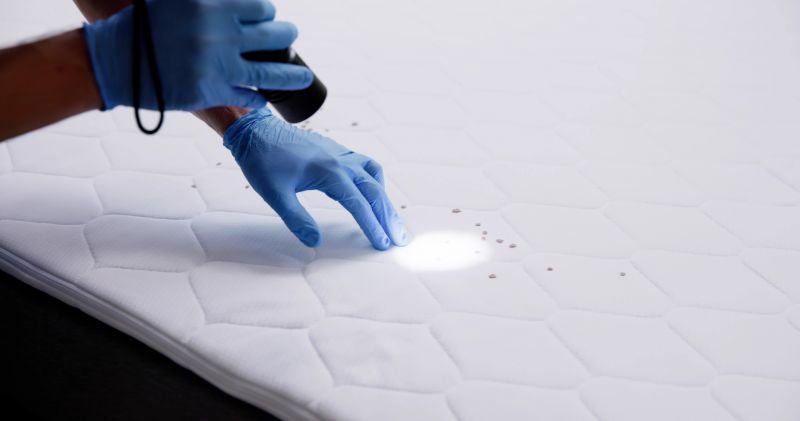

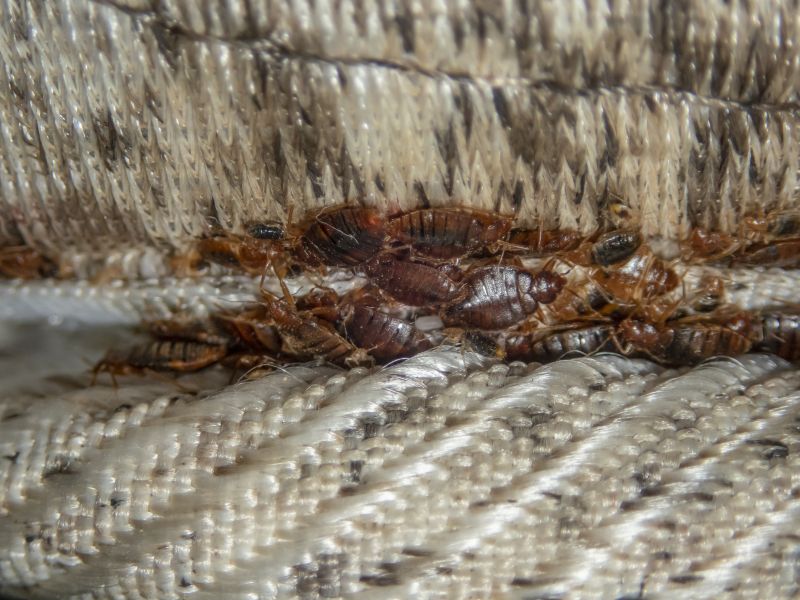
When people search for how bed bugs spread, they are often trying to understand how these pests move from one location to another. This knowledge can help homeowners identify potential sources of infestation and take steps to prevent future problems. Bed bugs are skilled hitchhikers, commonly traveling on personal belongings, clothing, or even luggage. Understanding their modes of movement is essential for planning effective treatment strategies and avoiding re-infestation. Many individuals are concerned about how bed bugs might have arrived in their home, especially if they haven't recently traveled or hosted visitors, making it important to recognize the common pathways these pests use.
The topic of how bed bugs spread is closely related to problems like ongoing infestations, repeated re-infestations, or the need for comprehensive pest management plans. Homeowners often seek this information when they notice bites, unexplained itchy spots, or the presence of small bloodstains on bedding. It also ties into plans for thorough inspections and targeted treatments. Knowing how bed bugs can travel helps in developing a clear strategy to eliminate them effectively. Local service providers specializing in bedbug fumigation can assist with inspection and treatment, addressing the root causes of spread and helping to restore a pest-free environment.
Property types frequently associated with bed bug spread include apartments, condominiums, hotels, and multi-unit housing. These environments are especially vulnerable because they often involve close proximity and shared spaces, making it easier for bed bugs to move between units. Single-family homes are also at risk, particularly if residents travel frequently or have visitors. Cluttered spaces and secondhand furniture can serve as hiding spots and transfer points for these pests. Homeowners in these property types should consider regular inspections and prompt treatment by local pros when signs of bed bugs appear, as early intervention can prevent widespread infestations.
Understanding how bed bugs spread highlights the importance of working with local pest control service providers who can perform detailed inspections and effective fumigation. These professionals can identify potential entry points and movement pathways, such as luggage, clothing, or secondhand furniture, helping to contain and eliminate infestations. By addressing how bed bugs travel, homeowners can better plan prevention measures and treatment strategies. Connecting with experienced local pros ensures that the problem is handled efficiently, reducing the risk of ongoing issues and protecting the integrity of the property.
Pest Control Planning - professionals skilled in pest management can develop strategies to prevent the spread of bed bugs through proper inspection and treatment methods.
Property Inspection Services - local contractors specializing in thorough property assessments help identify initial signs of bed bug activity and potential spread pathways.
Travel and Hospitality Cleaning - service providers focusing on sanitation in hotels and accommodations assist in reducing bed bug transfer between locations.
Clutter Removal and Organization - experts who assist with decluttering can minimize hiding spots, making it harder for bed bugs to spread within a space.
Furniture and Mattress Treatment - specialists in treating furniture items help prevent the movement of bed bugs from infested items to new areas.
Educational Outreach and Prevention - local service providers offering advice on how bed bugs spread can help homeowners and businesses implement effective prevention measures.
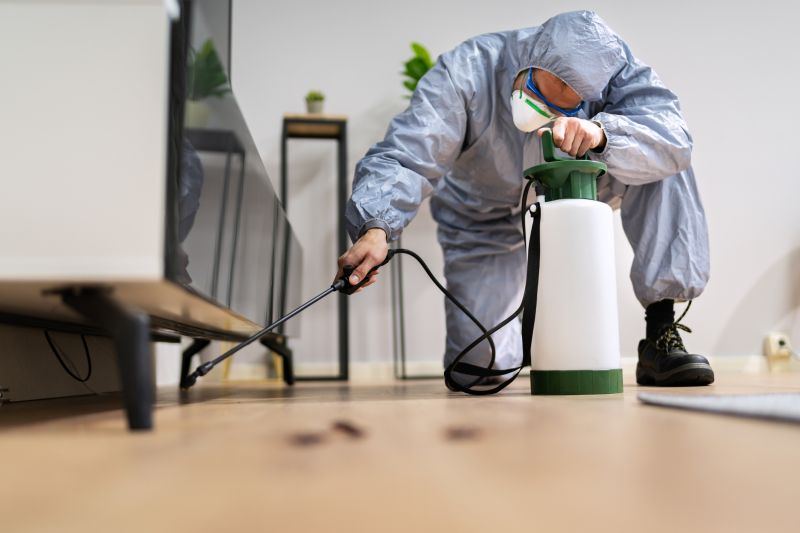
When comparing local contractors for bedbug fumigation services, it’s important to consider their experience with similar projects. A contractor who has handled bedbug infestations in environments like homes, apartments, or hotels will have a better understanding of how bed bugs spread and the most effective treatment methods. Asking about their past work can help determine if they have the practical knowledge needed to address the specific challenges of bedbug control, ensuring the approach is tailored to the unique layout and conditions of the space.
Clear written expectations are essential when evaluating potential service providers. A reputable contractor should be able to outline the scope of work, what the treatment process entails, and any preparations or follow-up steps required. This transparency helps prevent misunderstandings and ensures that homeowners are fully aware of what the fumigation will involve. Having detailed information in writing also provides a basis for comparing different providers and making an informed decision about who is best suited to handle the job.
Reputable references and good communication are key indicators of a reliable service provider. When considering local contractors, it’s helpful to seek out reviews or testimonials that speak to their professionalism and effectiveness in managing bedbug infestations. Additionally, a contractor who communicates clearly and promptly can facilitate a smoother process, from initial consultation to post-treatment follow-up. This level of responsiveness and transparency can make it easier to address concerns about how bed bugs spread and to ensure that the treatment plan is understood and executed properly.
Property owners often search for how bed bugs spread when they are planning practical projects around their homes and businesses. Local pros provide Bedbug Fumigation services for everyday jobs and straightforward project options.
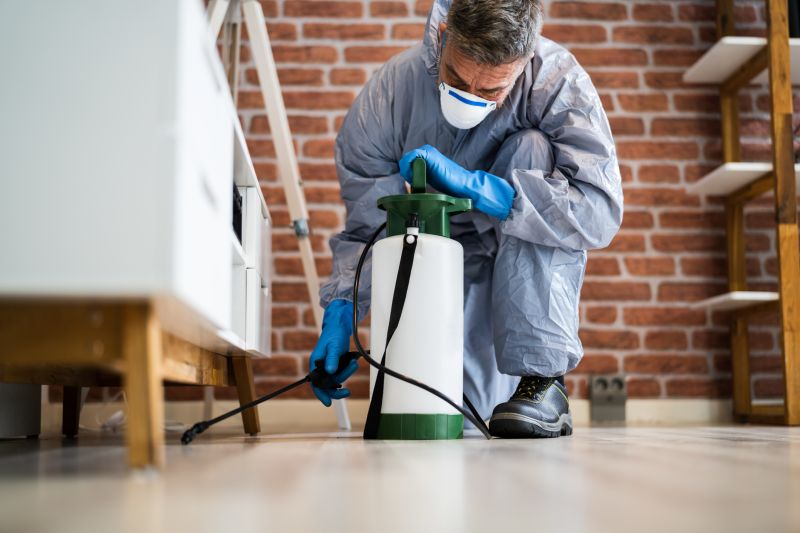
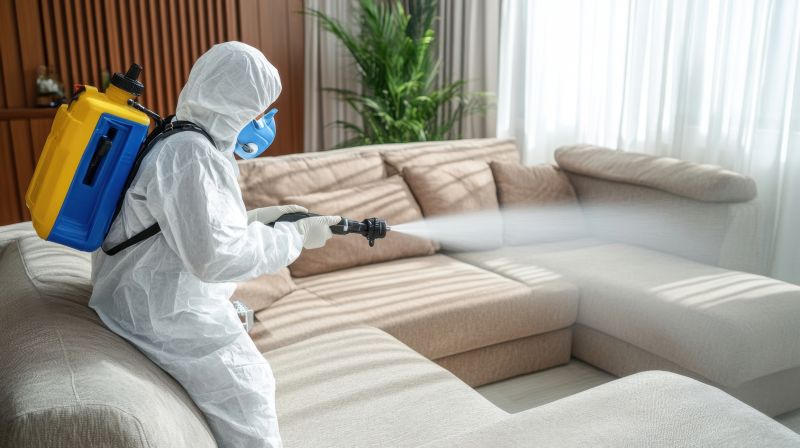
Understanding how bed bugs spread can help property owners identify potential risks and take proactive measures to prevent infestations. Common ways these pests transfer include personal belongings like luggage, clothing, and used furniture, which can easily carry bed bugs from one location to another. In shared living spaces, such as apartment complexes or dormitories, bed bugs can move between units through wall cracks, electrical outlets, or shared hallways, making it important for property owners to be aware of how these pests travel within multi-unit buildings.
For those concerned about preventing or addressing bed bug issues, local contractors offering fumigation services can provide effective solutions. These service providers are equipped to handle infestations that may have spread through everyday activities or accidental transfers, ensuring a thorough treatment. Connecting with experienced professionals can help property owners manage the situation efficiently and reduce the chances of bed bugs spreading further within their homes or buildings.
How do bed bugs typically spread in a home? Bed bugs usually spread through infested belongings such as luggage, clothing, or used furniture that are brought into a residence. They can also move between rooms by crawling through wall voids, electrical outlets, or shared hallways. Proper inspection and treatment by local service providers can help address these infestations effectively.
Can bed bugs spread through shared laundry facilities or public spaces? Yes, bed bugs can spread via shared laundry areas, public transportation, or other communal spaces if infested items are transported or come into contact with these environments. Local contractors can advise on methods to prevent and treat such spread in these settings.
What role do secondhand furniture and clothing play in spreading bed bugs? Secondhand furniture and clothing are common sources of bed bug introduction into homes, as they may carry eggs or live bugs. Professional fumigation services can help eliminate infestations originating from these items before they spread further.
Are bed bugs able to spread through neighboring units or apartments? Bed bugs can migrate between units through wall voids, electrical outlets, or shared ventilation systems, especially in multi-unit buildings. Local pros can assess and treat these areas to prevent further spread.
How does travel contribute to the spread of bed bugs? Traveling exposes individuals to infested hotels, hostels, or accommodations, where bed bugs can latch onto luggage or clothing. Returning home, these pests can then spread to other areas, making professional fumigation services an important step in control.
Understanding how bed bugs spread can help property owners identify potential infestation sources and prevent further issues with the help of local contractors.
Identifying common entry points allows property owners to work with service providers to seal cracks, crevices, and other areas where bed bugs may enter or escape.
Recognizing high-risk areas such as shared laundry rooms or furniture can guide property owners in coordinating treatments with local pros to target these hotspots.
Implementing prevention strategies can involve consulting with local contractors on best practices for reducing the spread of bed bugs during routine cleaning and maintenance.
If you are thinking about how bed bugs spread for a property, this guide is meant to help you understand this topic, the typical project types, and how different options might fit your plans.
When you are ready, you can use the quote form on this page to share a few details about your project. From there, local pros can review the basics and follow up with options that match what you have in mind.